

(Photo credit: Kirby Lee-Imagn Images)
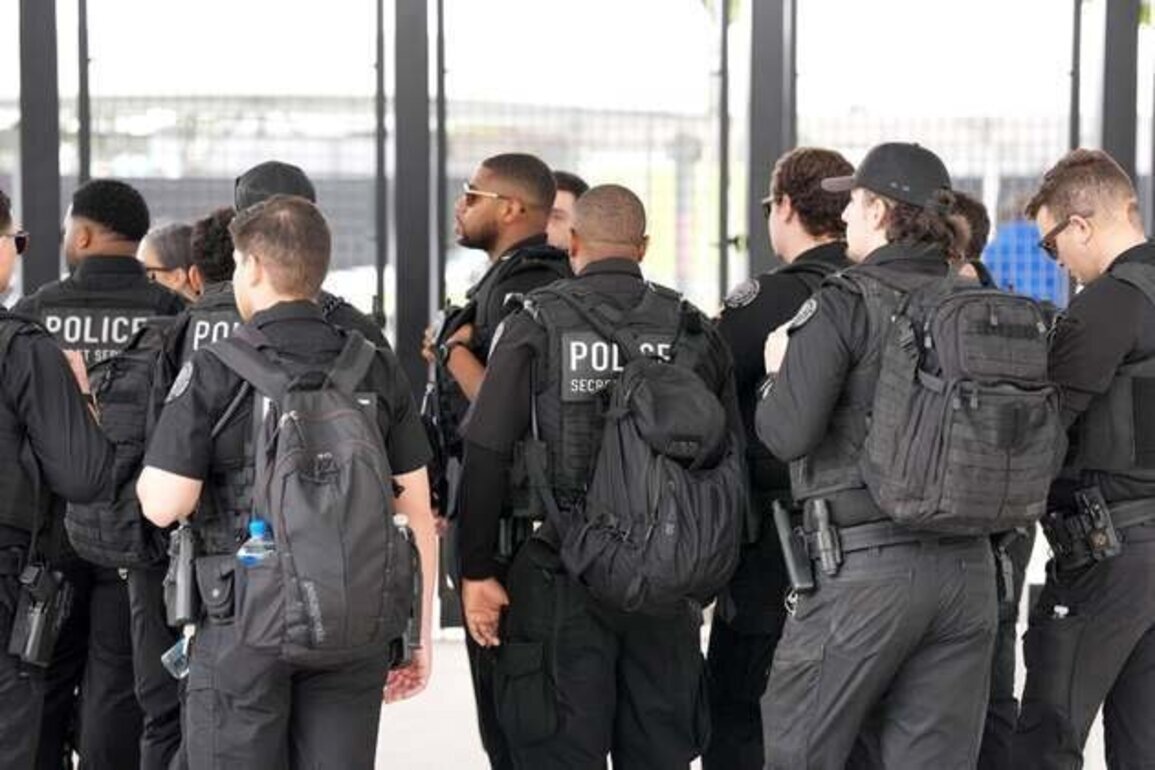
Keeping World Cup players, fans and venues safe is an 'unprecedented' task being handled by both federal and local authorities from coast to coast, the executive director of the White House FIFA World Cup 2026 Task Force told ESPN.
That's Andrew Guiliani, who watched his father, Rudy, deal with massive security issues as the mayor of New York City. This is much bigger.
'This entire country's police force is leaning in,' Giuliani told ESPN in an interview for an article published Thursday. 'It is an unbelievable problem set when I think about what local law enforcement is going to have to go over this 40-day stretch. It is unprecedented.
'We're going to do everything in our power to make sure that nothing goes wrong.'
The World Cup will feature 48 teams and 104 matches -- 78 of them spread over 11 cities in the United States. Canada and Mexico will host the rest of the matches.
In 2002, in Qatar, the 32-team tournament was played in tight quarters in a country of 4,473 square miles -- about 80% the size of Connecticut.
It isn't just the venues that local and federal authorities -- joined by private security companies -- are charged with protecting. Fan events, hotels, team base camps and restaurants, for example, could be considered soft targets.
Security also will be beefed up around stadiums to prevent anyone who doesn't have a ticket from being on the grounds.
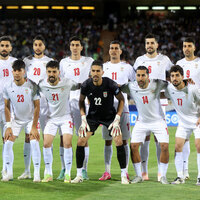
But the challenges seem to be endless, including the need to prevent attacks by drones and additional security problems that could arise with the participation of Iran -- currently engaged in a war with the United States.
In addition, FBI deputy director Christopher Raia told ESPN that he is worried about homegrown attacks from people influenced by ISIS and other sources.
An example of that is the Jan. 1, 2025 incident in which a man drove a truck into New Year's Eve revelers on Bourbon Street in New Orleans, killing 14 people and injuring about 60 more.
'Those are very difficult incidents to not only detect but also stop,' he said. 'In some way, those big 9/11-style attacks that happened in 2001, those are almost easier to detect nowadays because of the different tools that we have in place. It's these small-scale, soft target attacks from people who get radicalized online via the internet and sit behind their keyboard nine, 10 hours a day.'
And finally, Giuliani told ESPN planners are being vigilant about the possibility of cyberattacks.
'This is absolutely something we're expecting, whether it's ticket hacks, or different things coming up on your QR codes to trying to take over Jumbotrons at stadiums to transportation systems,' he said.
--Field Level Media